

MOTORSPORT COMPONENT DEVELOPMENT
IN DEVELOPMENT
SEKTOR16
ENGINEERED TO PERFORM.
PERFORMANCEIS A SYSTEM.
We approach motorsport one component at a time.
From geometry to the demands of use.
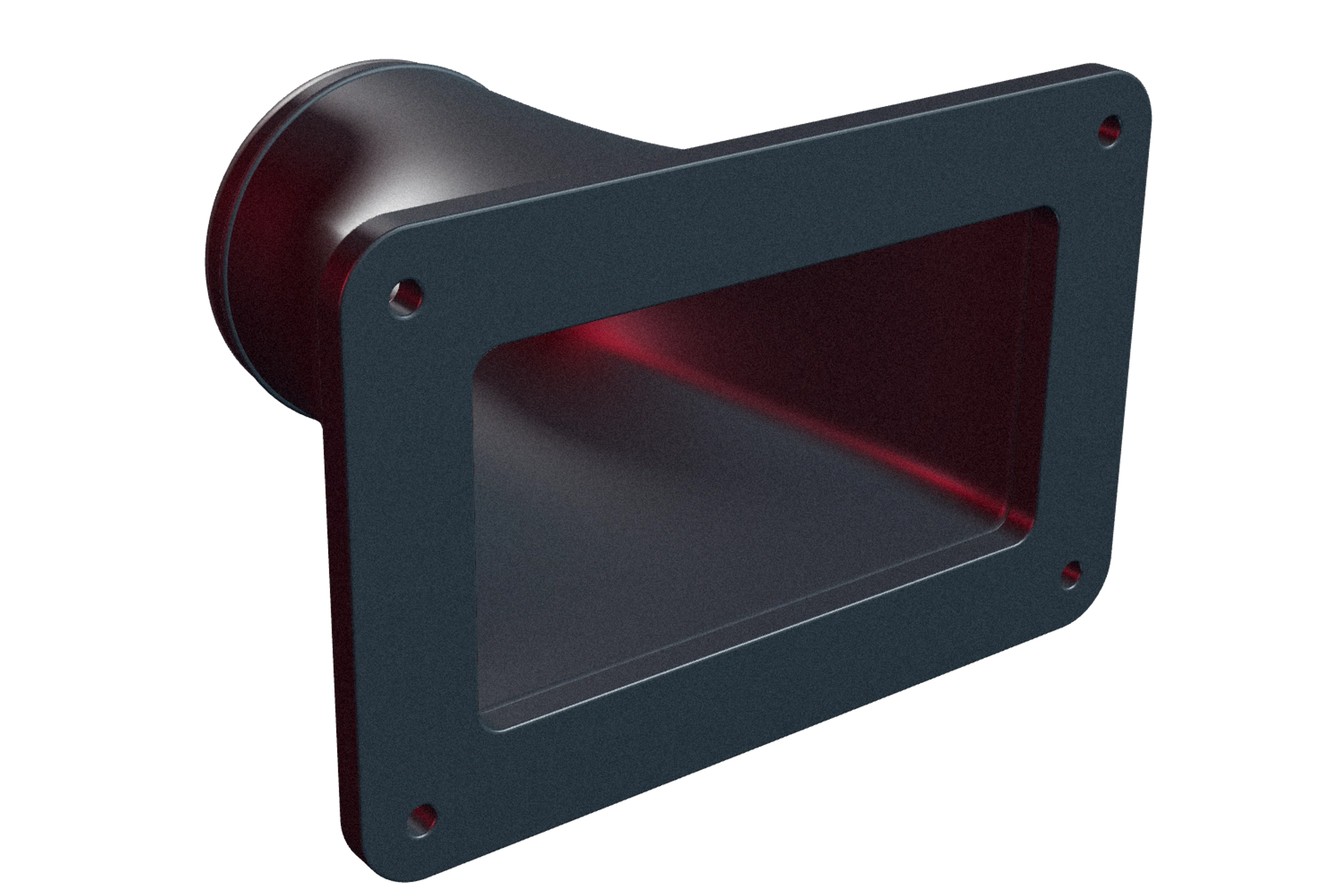
AIRFLOW / FORM STUDY
Concept visualisation, not a production part
LESS
DECORATION.
MORE FUNCTION.
Every component has to earn its place.
Heat. Vibration. Load. Limited space. Motorsport asks the questions before a material can provide the answers.
We love machines people keep working on. SEKTOR16 develops components for their real use – from geometry and material to the way they are made.
Application comes first
THE RIGHT
MATERIAL.
The application sets the direction.
Geometry, material and manufacturing belong together.
01
Engineering Polymers
Space, temperature, environment and load determine the choice. A material name alone is not an approval for use.
- FOCUS
- Engineering polymer components
- KEY FACTORS
- Material + geometry + process
02
Composites
Lightweight design starts with the load case. Fibre, matrix and layup form a structural system, not just a surface finish.
- FOCUS
- Fibre-reinforced structures
- KEY FACTORS
- Load path + layup + connection
03
Reverse Engineering
Understand an existing form. Capture its interfaces and installation position. Then assess what a new version could improve.
- FOCUS
- Discontinued components
- KEY FACTORS
- Reference + fit + function
04
Prototyping
A model is an assumption. A prototype makes it testable. Fit, installation and behaviour have to stand up to actual use.
- FOCUS
- Iterative development
- KEY FACTORS
- Test + learn + refine
OBSOLETE PLASTIC.ENGINEERED AGAIN.
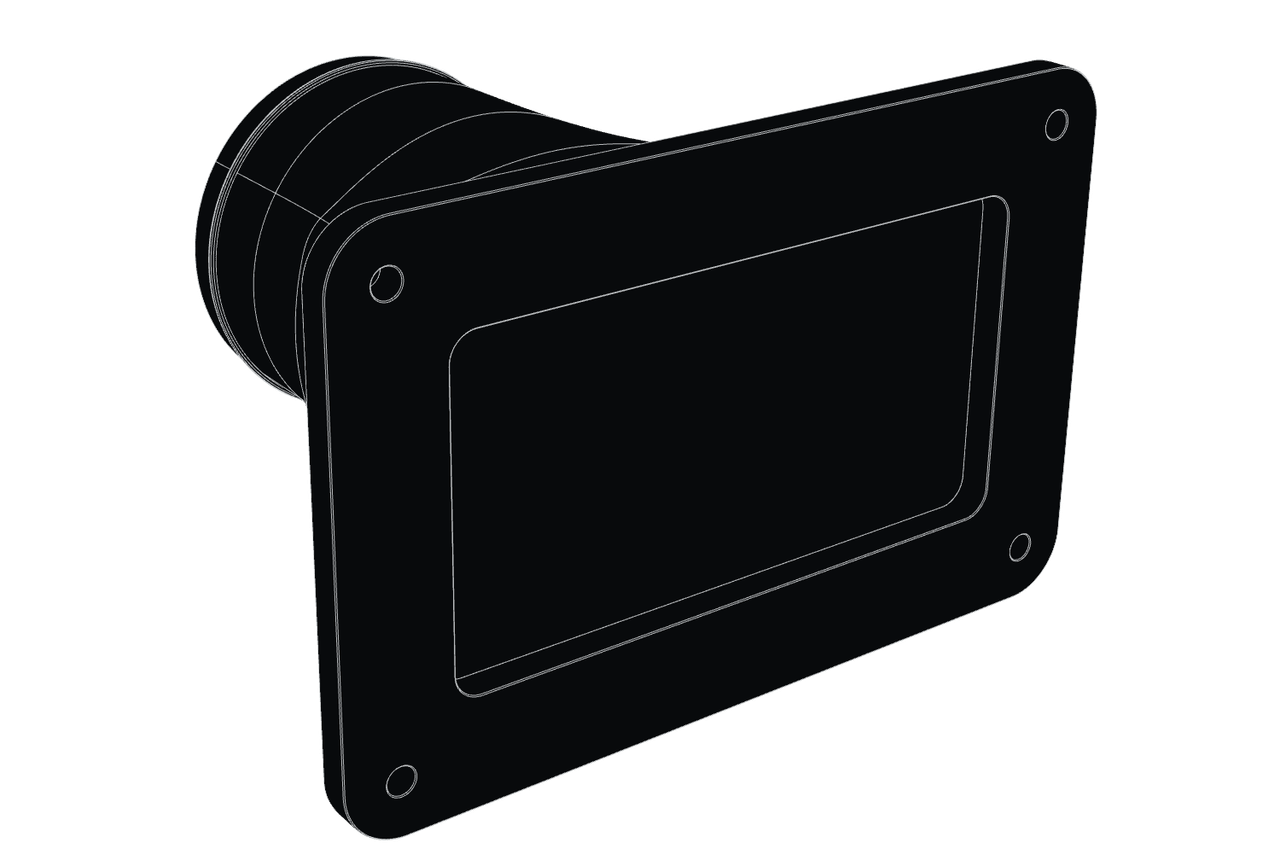
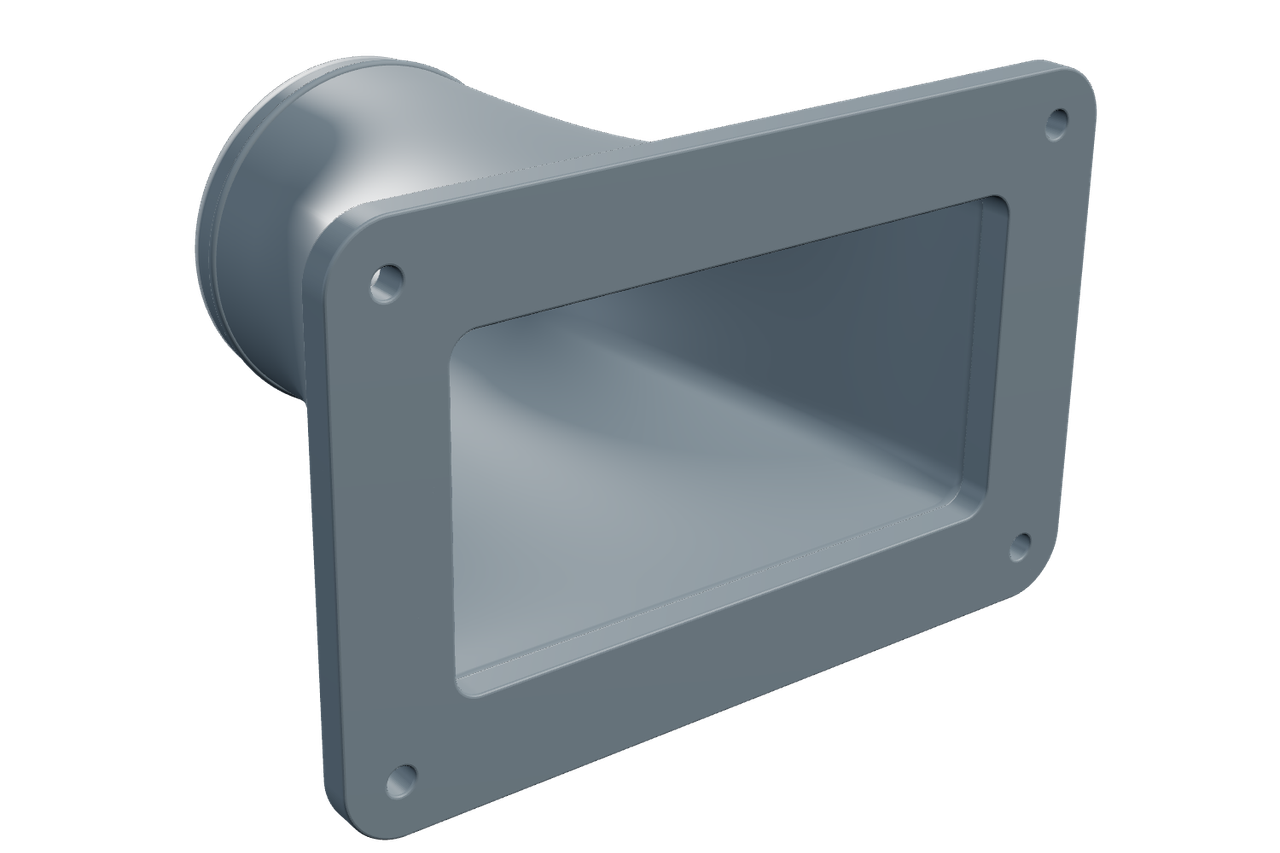
Plastic parts disappear.
The cars stay.
The original part is discontinued. Used replacements have aged. And a good car is waiting for a small piece of plastic.
This is where our development approach starts. And where LIFELINE begins: finding selected parts, understanding their function and investigating how they could be reproduced.
Why we start here
EVERY PART
HAS A PURPOSE.
From a problem to a testable component.
Our development principle. Each step builds on the one before it. Approval comes at the end, not with the first rendering.
-
01
IDENTIFY
What is missing? What fails? What could work better?
-
02
CAPTURE
Capture the available space, reference and interfaces. Understand the function.
-
03
ENGINEER
Develop geometry, material and manufacturing process together.
-
04
PROTOTYPE
Make assumptions tangible. Check fit and installation on the vehicle.
-
05
REFINE
Learn from testing. Refine the details. Test again.
-
06
RELEASE
Only after appropriate validation: documented approval for release.
WHERE
IT MATTERS.
Potential applications for future motorsport components. Development starts with a specific need.
A DEVELOPMENT FIELD, NOT A CATALOGUE.
01
Cooling & Airflow
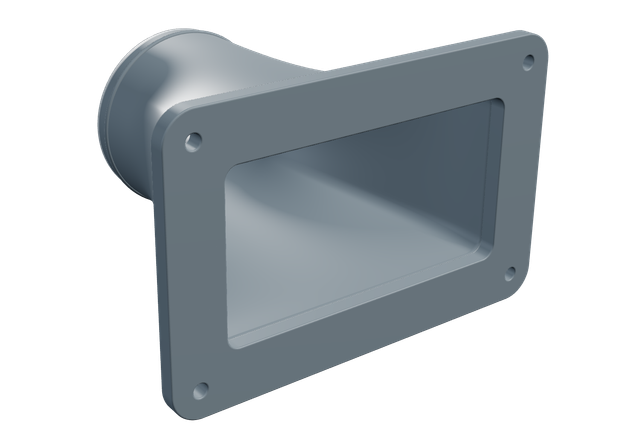
Air guides, ducts and transitions. Where does the air need to go? How much space is available? What environment must the component withstand?
02
Interior & Mounting
Electronics mounts, purpose-built brackets and functional interior parts. Access, secure mounting and installation belong together.
03
Lightweight Structures
Use geometry and material where they are needed. Weight targets must be consistent with loads, connections and appropriate testing.
04
Replacement Parts
Discontinued plastic parts for older performance cars and track cars. Start with a verifiable reference, not a model based on guesswork.
A SEKTOR16 PROJECT

WHEN A PART IS MISSING,
THE WORK BEGINS.
One focused project born from our approach to motorsport.
LIFELINE focuses on hard-to-find plastic and polymer parts for cars that are still being driven. The catalogue is a starting point. Behind it are questions of reference, fit, material and a reproducible process.
Explore LIFELINE and its catalogue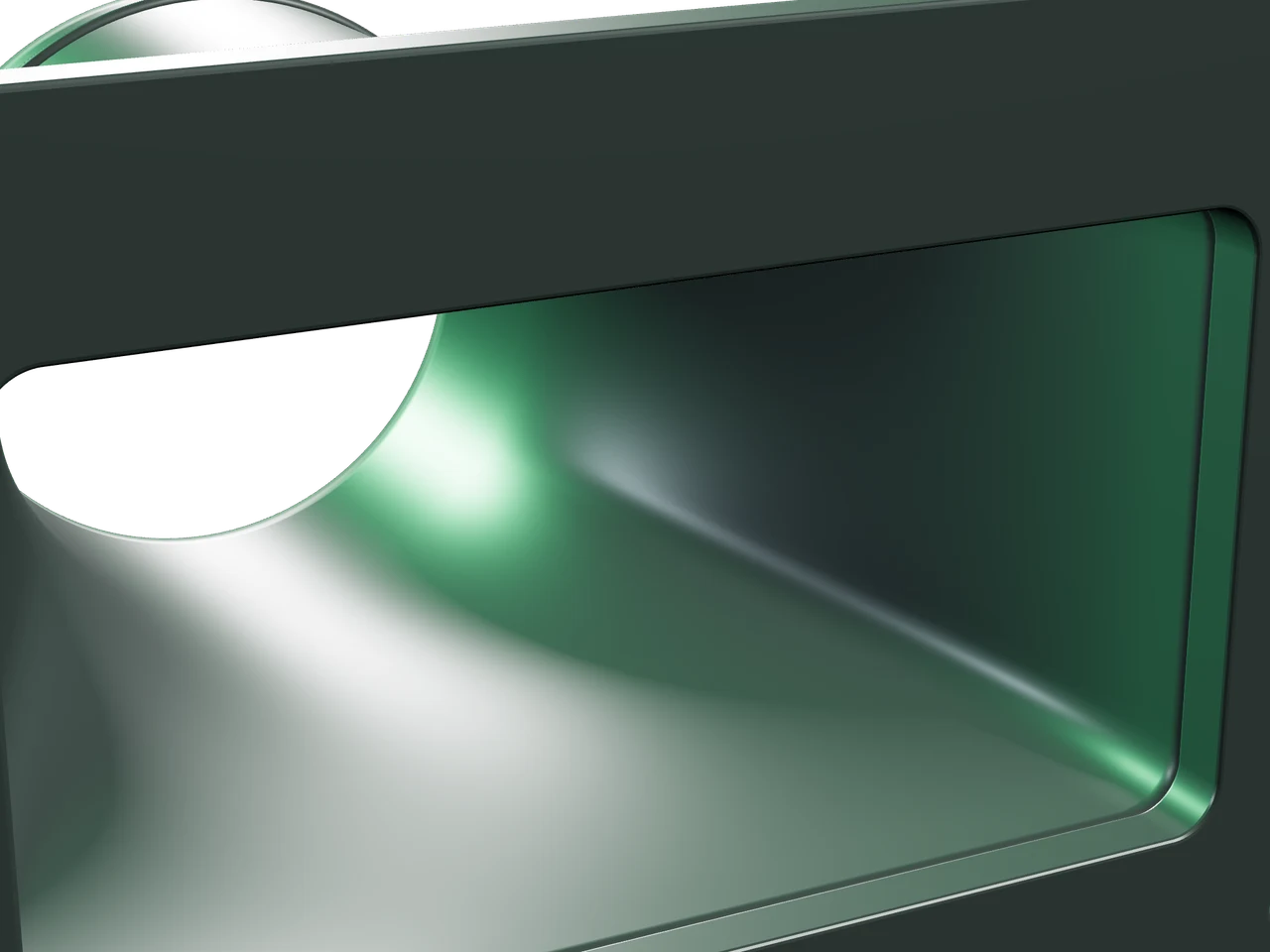
BUILT TO
BE USED.
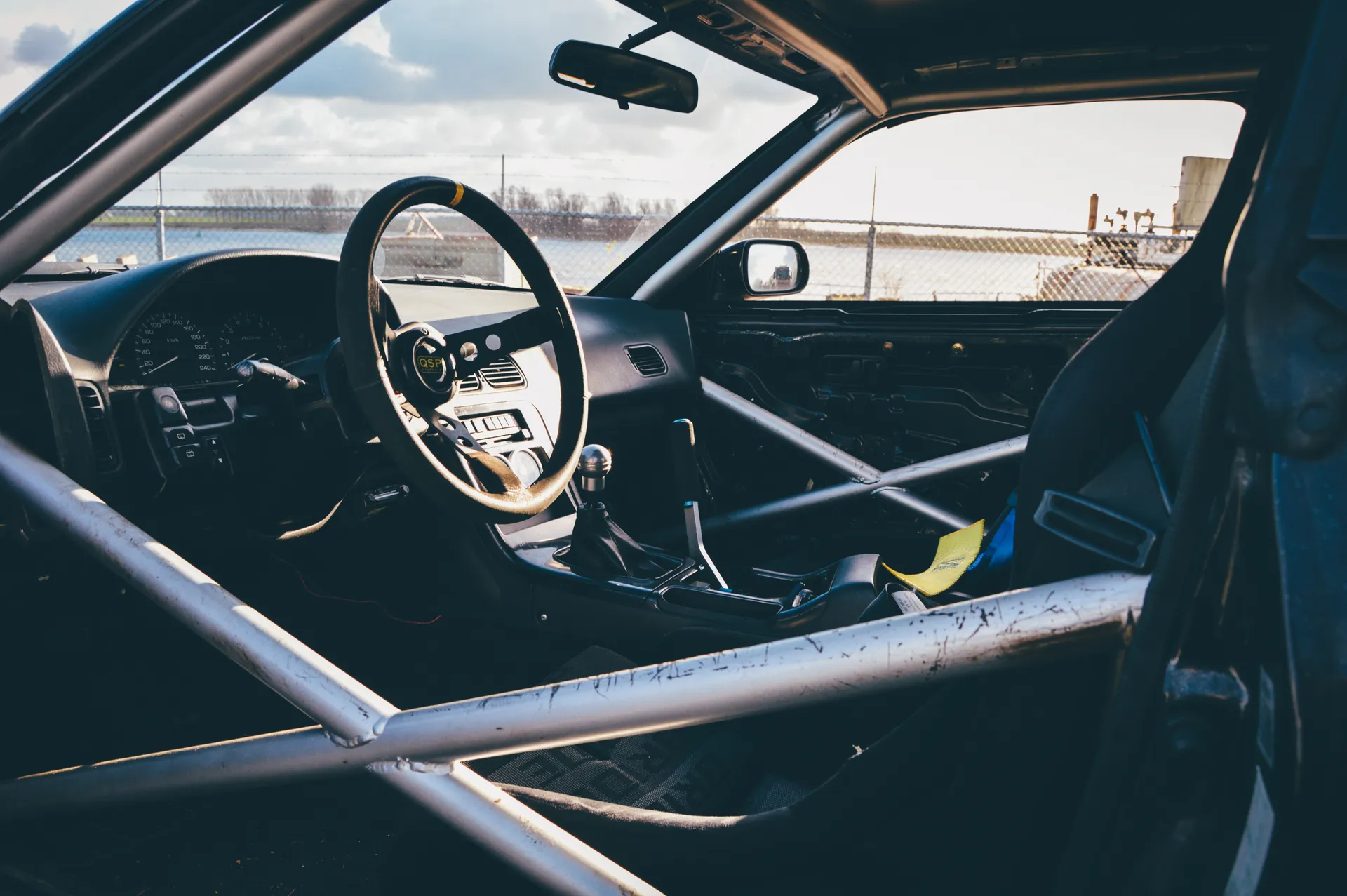
For cars that get used.
And people who keep developing them.
A track car does not have to be new. A good car is not finished just because its parts catalogue ends. We care about the machines people keep working on, driving and learning from.
To us, a missing part is not a footnote. Sometimes it determines whether a good car can stay in use.
OUR VIEW ON SUSTAINABILITY
WHAT CAN STAY,
SHOULD KEEP GOING.
First understand what actually needs replacing.
A broken clip does not automatically mean an entire assembly is beyond use. We examine when a part can be reproduced with purpose, and how longer use can be supported sensibly.
New production also requires material, energy and transport. That is why we talk about specific decisions and limits, not sweeping environmental claims.
Explore our approach to sustainability
BEHIND EVERY PART
IS A QUESTION.
Three questions before the first component:
availability, material and function.
When the parts
catalogue ends.
What needs to be established before reproducing a plastic component.
Application first.
Then the material.
Why naming a material is not the same as designing a component.
A shape alone
is not a function.
From an existing part to a traceable digital reference.
THE NEXT COMPONENT STARTS WITH A PROBLEM.
SOMETHING IS MISSING.
WE KEEP THINKING.
A discontinued part. An awkward mount.
A connection that does not exist yet.
COMING SOON ENGINEERING IN PROGRESS